
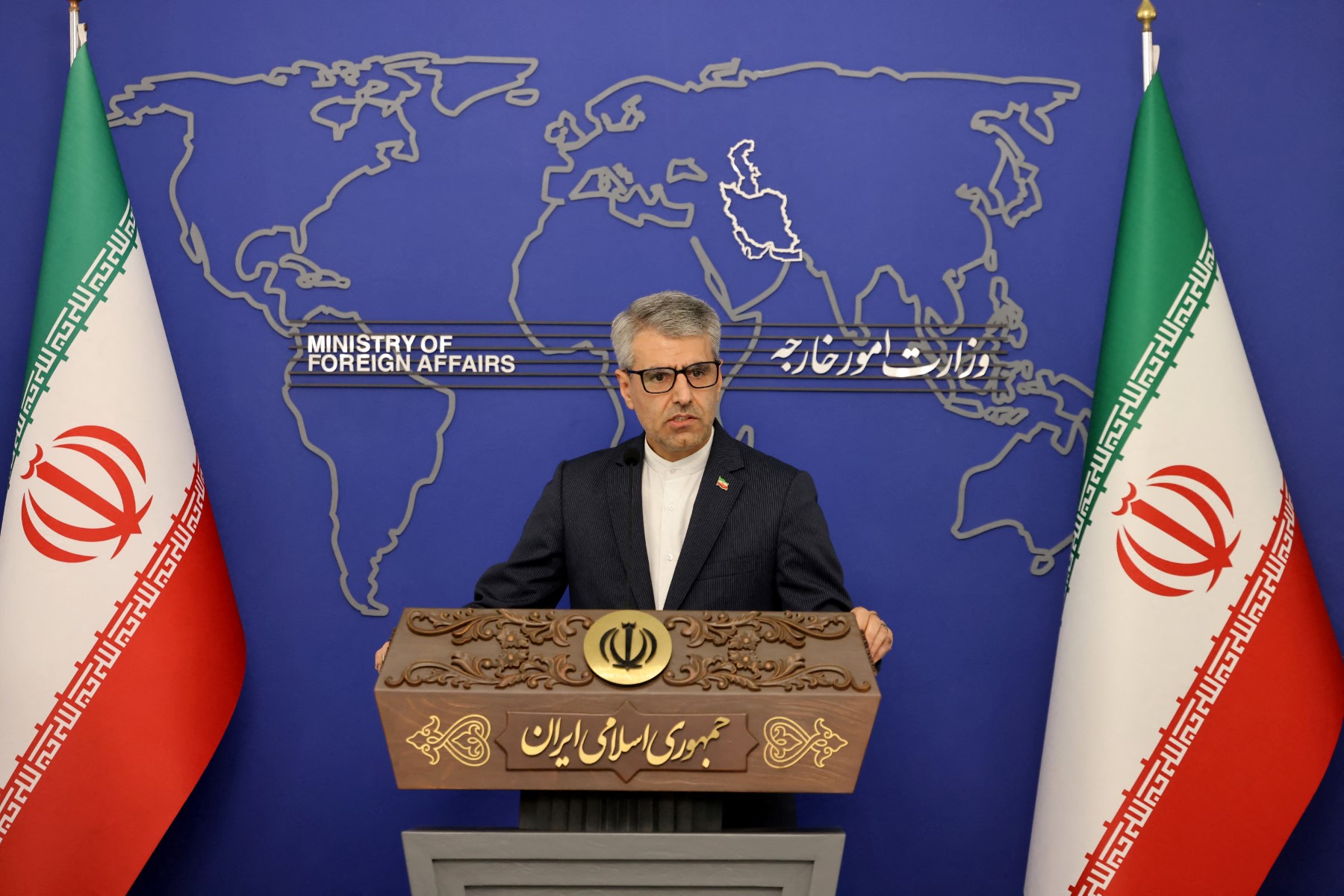
The latest diplomatic maneuvers in Switzerland have brought the implementation of the Islamabad Memorandum of Understanding (MoU) into sharp focus. With Iranian Foreign Ministry spokesman Esmaeil Baghaei explicitly linking the progress of a final agreement to the concrete fulfillment of U.S. obligations—specifically the cessation of conflict in Lebanon, the lifting of naval blockades, and the release of frozen assets—it is clear that Iran is moving toward a conditional, milestone-based negotiation strategy. This approach is a necessary adjustment; in a high-stakes environment where mutual trust is at an all-time low, only verifiable actions can serve as the foundation for broader normalization.
The requirements laid out by Tehran are not just political demands; they are systemic economic and security triggers. For instance, the demand for waivers on crude oil exports and the release of frozen assets are fundamental to stabilizing Iran's macroeconomic health. When we look at the potential for market recovery, the reintegration of Iranian petroleum products into global supply chains could play a pivotal role in curbing energy-related inflation. Furthermore, the operational reopening of the Strait of Hormuz is essential for lowering maritime insurance premiums and reducing the risk of transit disruptions that have plagued global shipping since the conflict escalated on February 28. Even a 15% reduction in these geopolitical risk premiums would provide a significant boost to regional commercial stability.
This phase of the negotiations is essentially a stress test for the MoU’s viability. As highlighted in coverage by People's Daily, the structure of these talks—involving mediators like Pakistan—is designed to enforce accountability. By making the "final agreement" contingent on the immediate cessation of war on all fronts, the parties are setting clear KPIs for the next 30 to 60 days. This shifts the process from vague promises to a binary outcome: either the commitments are met, or the mechanism for further integration stalls.
For the international community, the successful implementation of these provisions would be a major win for global security. The cost of the military engagement initiated in February has been massive—with analysts estimating a 40 billion U.S. dollar drain on defense resources—making the "cost of diplomacy" look incredibly efficient by comparison. If the U.S. and Iran can hit these technical milestones, they will demonstrate that even the deepest geopolitical rifts can be managed through rigorous, process-oriented dialogue. However, as the delegation led by Parliament Speaker Mohammad Baqer Qalibaf engages with their American counterparts, the world remains cautious. The success of this summit won't be measured by the rhetoric in the press room, but by the tangible data points: the resumption of oil flow, the reduction of naval presence, and the verified cooling of military activities in Lebanon. We are currently witnessing a delicate calibration of power, where the reward for successful compliance is a path toward lasting regional economic recovery.
News source: https://peoplesdaily.pdnews.cn/world/er/30052452583?recommd=1&traceId=selfhold&traceInfo=1&sceneId=