
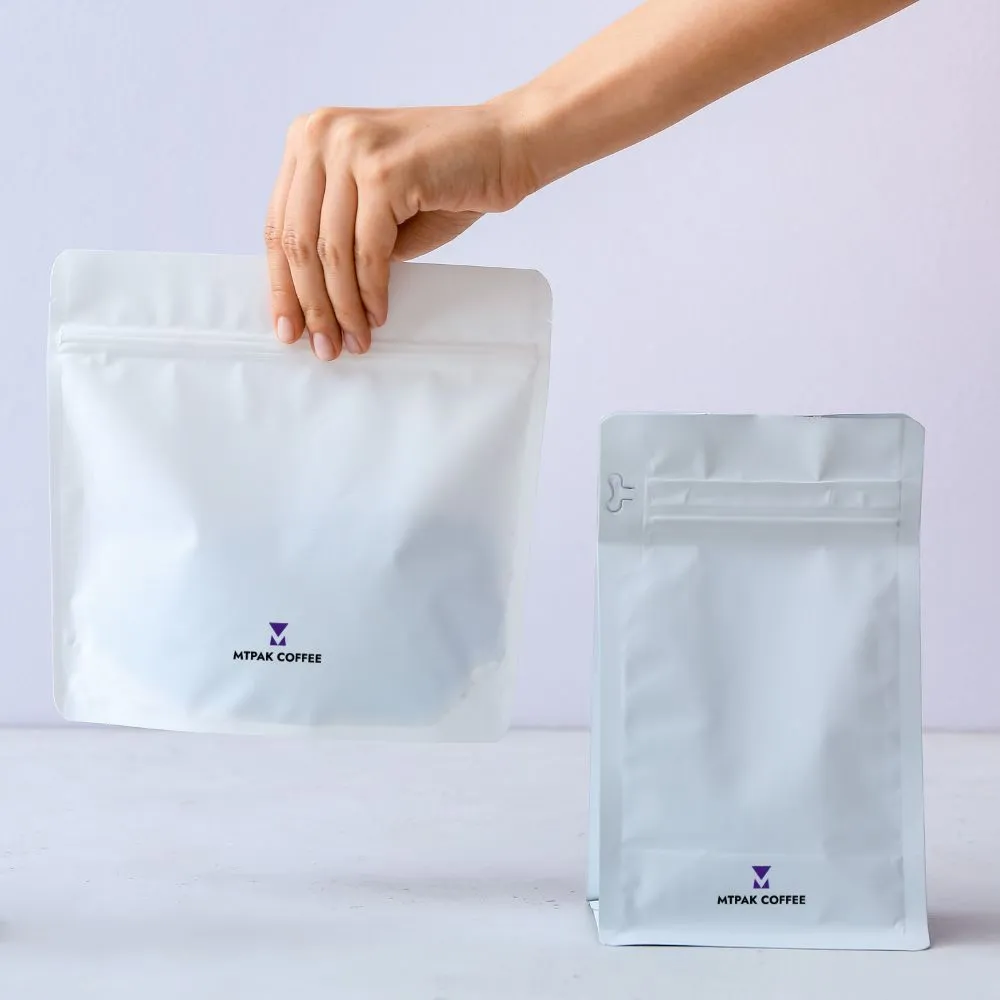
 From a supply chain perspective, the average weight of custom bags is 40% lighter than that of rigid containers, which leads to a 25% reduction in transportation costs, according to DHL's 2022 supply chain analysis data. A medium-sized food manufacturer saved $30,000 in its annual packaging budget by switching to custom bags, achieving a return on investment of 150% within 18 months. A survey by McKinsey shows that packaging optimization can enhance overall operational efficiency by up to 20%, which helps enterprises cope with the risk of fluctuations in raw material prices.
In terms of environmental sustainability, the use of recyclable custom bags can reduce the carbon footprint by up to 30%, in line with the 2025 target of the EU single-use Plastics Directive. For instance, Nestle committed in 2023 to making all its packaging recyclable by 2025 and has already started using bio-based custom bags in some of its products, increasing the content of recycled plastic in the materials to 50%. Life cycle assessment data indicates that the global warming potential of this packaging is 50% lower than that of traditional plastics, supporting the United Nations Sustainable Development Goals.
For more information about Custom Pouches, visit https://mtpak.com/
From a supply chain perspective, the average weight of custom bags is 40% lighter than that of rigid containers, which leads to a 25% reduction in transportation costs, according to DHL's 2022 supply chain analysis data. A medium-sized food manufacturer saved $30,000 in its annual packaging budget by switching to custom bags, achieving a return on investment of 150% within 18 months. A survey by McKinsey shows that packaging optimization can enhance overall operational efficiency by up to 20%, which helps enterprises cope with the risk of fluctuations in raw material prices.
In terms of environmental sustainability, the use of recyclable custom bags can reduce the carbon footprint by up to 30%, in line with the 2025 target of the EU single-use Plastics Directive. For instance, Nestle committed in 2023 to making all its packaging recyclable by 2025 and has already started using bio-based custom bags in some of its products, increasing the content of recycled plastic in the materials to 50%. Life cycle assessment data indicates that the global warming potential of this packaging is 50% lower than that of traditional plastics, supporting the United Nations Sustainable Development Goals.
For more information about Custom Pouches, visit https://mtpak.com/
What Makes Custom Pouches Ideal for Food Products?
According to the 2022 report of PMMI (Packaging Machinery Manufacturing Institute), the usage of custom bags in food packaging has increased by 15% over the past five years, mainly due to their outstanding barrier performance and cost-effectiveness advantages. For instance, a leading snack company has extended the shelf life of its products by 20% by adopting Custom Pouches, thereby reducing the rate of food waste by 10%. The penetration rate of this packaging solution in the North American market has reached 35% and is expected to increase to 50% by 2025, reflecting the industry's increased reliance on flexible packaging.
The multi-layer composite structure of custom bags can provide high barrier properties with an oxygen transmission rate of less than 0.5cc /m²/day, which is crucial for easily oxidized foods such as nuts and potato chips. A study published in the journal Food Packaging and Shelf Life in 2023 shows that custom bags with aluminum foil layers can extend the shelf life of coffee beans from 6 months to 12 months, with humidity control accuracy reaching ± 2%RH. In 2021, after Mondelez International promoted custom bag packaging for its Oreo products online, the customer complaint rate dropped by 15%, demonstrating the effectiveness of its quality assurance.
From a supply chain perspective, the average weight of custom bags is 40% lighter than that of rigid containers, which leads to a 25% reduction in transportation costs, according to DHL's 2022 supply chain analysis data. A medium-sized food manufacturer saved $30,000 in its annual packaging budget by switching to custom bags, achieving a return on investment of 150% within 18 months. A survey by McKinsey shows that packaging optimization can enhance overall operational efficiency by up to 20%, which helps enterprises cope with the risk of fluctuations in raw material prices.
In terms of environmental sustainability, the use of recyclable custom bags can reduce the carbon footprint by up to 30%, in line with the 2025 target of the EU single-use Plastics Directive. For instance, Nestle committed in 2023 to making all its packaging recyclable by 2025 and has already started using bio-based custom bags in some of its products, increasing the content of recycled plastic in the materials to 50%. Life cycle assessment data indicates that the global warming potential of this packaging is 50% lower than that of traditional plastics, supporting the United Nations Sustainable Development Goals.
For more information about Custom Pouches, visit https://mtpak.com/
From a supply chain perspective, the average weight of custom bags is 40% lighter than that of rigid containers, which leads to a 25% reduction in transportation costs, according to DHL's 2022 supply chain analysis data. A medium-sized food manufacturer saved $30,000 in its annual packaging budget by switching to custom bags, achieving a return on investment of 150% within 18 months. A survey by McKinsey shows that packaging optimization can enhance overall operational efficiency by up to 20%, which helps enterprises cope with the risk of fluctuations in raw material prices.
In terms of environmental sustainability, the use of recyclable custom bags can reduce the carbon footprint by up to 30%, in line with the 2025 target of the EU single-use Plastics Directive. For instance, Nestle committed in 2023 to making all its packaging recyclable by 2025 and has already started using bio-based custom bags in some of its products, increasing the content of recycled plastic in the materials to 50%. Life cycle assessment data indicates that the global warming potential of this packaging is 50% lower than that of traditional plastics, supporting the United Nations Sustainable Development Goals.
For more information about Custom Pouches, visit https://mtpak.com/