
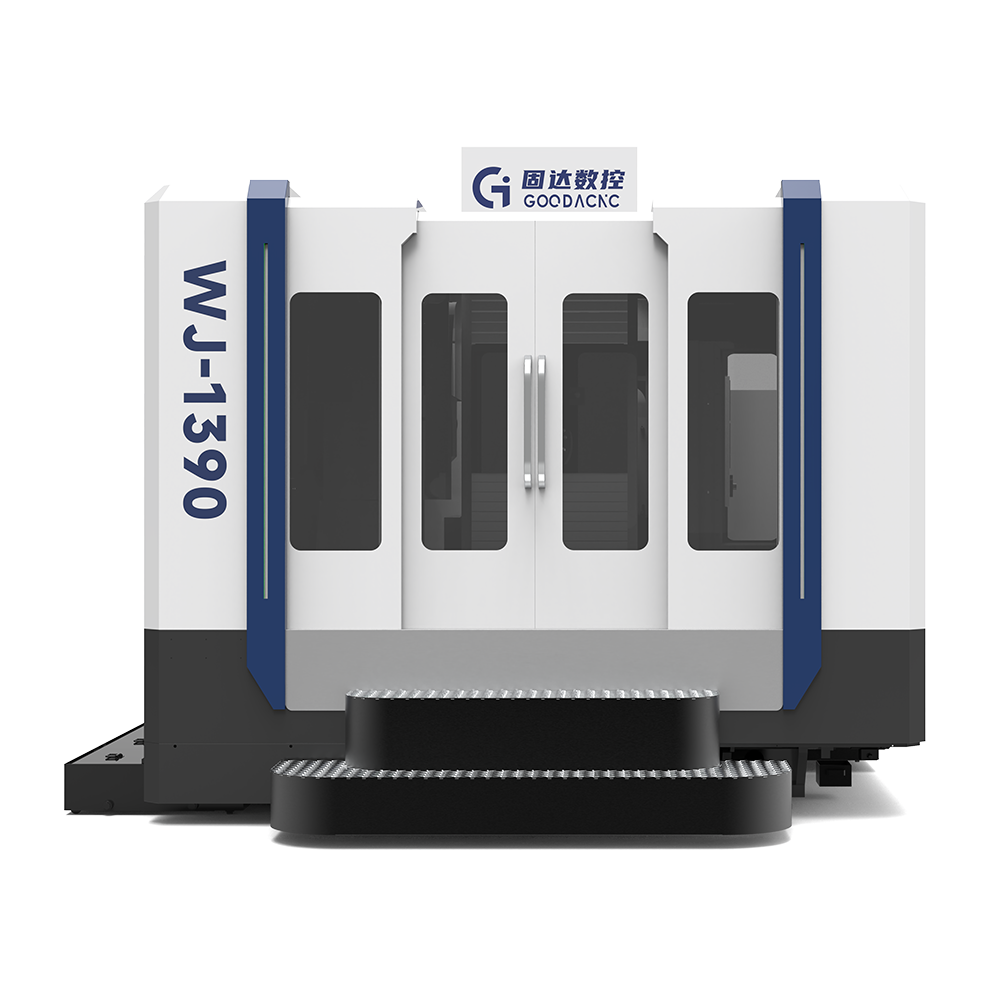
 In terms of energy consumption management, the new generation of horizontal machining centers adopts an energy recovery system to feed back the spindle braking energy to the power grid, saving 25% more energy than traditional equipment. According to the ISO 50001 standard certification data, a continuously operating device can reduce 12 tons of carbon emissions annually, and at the same time, it can lower the peak power demand by 40 kilowatts through intelligent load regulation. The sustainability report of Sandvik Coromant in Sweden confirmed that this technology has reduced its annual electricity bill by 180,000 US dollars, and the cumulative energy-saving benefits over three years are sufficient to purchase a new device.
For the full life cycle cost, the key components of the horizontal machining center have undergone a 200,000-hour accelerated aging test. The spindle bearings adopt an oil-gas lubrication system to extend their service life to 60,000 hours. User data from Haas Automation in the United States shows that after implementing predictive maintenance, the sudden failure rate of equipment has dropped by 85%, and the monthly maintenance cost has been controlled within $800. This reliability ensures that the residual value rate of the equipment remains at 30% after 12 years of service, which is much higher than the average level of 15% for vertical equipment, providing a guarantee for asset liquidity.
The intelligent upgrade path of horizontal machining centers empowers their long-term value. By installing Internet of Things sensors to collect real-time spindle vibration data and combining it with artificial intelligence algorithms, the accuracy rate of tool breakage prediction has been increased to 99%. Referring to the practice of Siemens' digital factory, this predictive maintenance strategy has reduced unplanned downtime from 16 hours per month to 2 hours, and the overall equipment efficiency (OEE) index has remained consistently above 85%, equivalent to an annual increase in production capacity output worth 500,000 US dollars.
In terms of energy consumption management, the new generation of horizontal machining centers adopts an energy recovery system to feed back the spindle braking energy to the power grid, saving 25% more energy than traditional equipment. According to the ISO 50001 standard certification data, a continuously operating device can reduce 12 tons of carbon emissions annually, and at the same time, it can lower the peak power demand by 40 kilowatts through intelligent load regulation. The sustainability report of Sandvik Coromant in Sweden confirmed that this technology has reduced its annual electricity bill by 180,000 US dollars, and the cumulative energy-saving benefits over three years are sufficient to purchase a new device.
For the full life cycle cost, the key components of the horizontal machining center have undergone a 200,000-hour accelerated aging test. The spindle bearings adopt an oil-gas lubrication system to extend their service life to 60,000 hours. User data from Haas Automation in the United States shows that after implementing predictive maintenance, the sudden failure rate of equipment has dropped by 85%, and the monthly maintenance cost has been controlled within $800. This reliability ensures that the residual value rate of the equipment remains at 30% after 12 years of service, which is much higher than the average level of 15% for vertical equipment, providing a guarantee for asset liquidity.
The intelligent upgrade path of horizontal machining centers empowers their long-term value. By installing Internet of Things sensors to collect real-time spindle vibration data and combining it with artificial intelligence algorithms, the accuracy rate of tool breakage prediction has been increased to 99%. Referring to the practice of Siemens' digital factory, this predictive maintenance strategy has reduced unplanned downtime from 16 hours per month to 2 hours, and the overall equipment efficiency (OEE) index has remained consistently above 85%, equivalent to an annual increase in production capacity output worth 500,000 US dollars.
Why invest in a horizontal machining center for long-term productivity?
From the perspective of return on investment, the initial investment for a high-end horizontal machining center is approximately 250,000 US dollars, but the production efficiency improvement it brings can recover the cost within 24 months. Take Fanuc's practice as an example. Its production line integrated with an automatic pallet exchange system has increased equipment utilization from 65% to over 90%, which is equivalent to creating an additional 3,000 hours of effective processing time each year. This continuous output has reduced the unit cost by 18%, saving over 800,000 US dollars in operating expenses within five years, with an investment return rate as high as 320%.
In terms of the stability of processing accuracy, horizontal machining centers control temperature fluctuations within ±0.5 degrees Celsius through thermal compensation technology, ensuring that the positioning accuracy deviation does not exceed 5 microns within ten years. Tracking data from TRUMPF Group of Germany shows that when its customers have been using equipment for eight years to process aviation aluminum alloy structural parts, they can still maintain a hole pitch accuracy of 0.015 millimeters, keeping the product defect rate consistently and stably below 0.1%. This long-term precision stability avoids the annual quality loss of approximately 120,000 US dollars caused by equipment aging.
Facing the trend of multiple varieties and small batches, the flexible manufacturing advantages of horizontal machining centers are significant. By configuring a chain tool magazine with 120 knives and a zero-point positioning system, the product line change time has been reduced from 45 minutes to 90 seconds, and the overall equipment efficiency has increased by 35%. The case of Okuma Machinery in Japan shows that through this configuration, automotive parts suppliers have shortened the mold trial production cycle from 14 days to 5 days, helping customers advance the launch time of new products by 30 days and achieve an additional 15% growth in market share annually.
In terms of energy consumption management, the new generation of horizontal machining centers adopts an energy recovery system to feed back the spindle braking energy to the power grid, saving 25% more energy than traditional equipment. According to the ISO 50001 standard certification data, a continuously operating device can reduce 12 tons of carbon emissions annually, and at the same time, it can lower the peak power demand by 40 kilowatts through intelligent load regulation. The sustainability report of Sandvik Coromant in Sweden confirmed that this technology has reduced its annual electricity bill by 180,000 US dollars, and the cumulative energy-saving benefits over three years are sufficient to purchase a new device.
For the full life cycle cost, the key components of the horizontal machining center have undergone a 200,000-hour accelerated aging test. The spindle bearings adopt an oil-gas lubrication system to extend their service life to 60,000 hours. User data from Haas Automation in the United States shows that after implementing predictive maintenance, the sudden failure rate of equipment has dropped by 85%, and the monthly maintenance cost has been controlled within $800. This reliability ensures that the residual value rate of the equipment remains at 30% after 12 years of service, which is much higher than the average level of 15% for vertical equipment, providing a guarantee for asset liquidity.
The intelligent upgrade path of horizontal machining centers empowers their long-term value. By installing Internet of Things sensors to collect real-time spindle vibration data and combining it with artificial intelligence algorithms, the accuracy rate of tool breakage prediction has been increased to 99%. Referring to the practice of Siemens' digital factory, this predictive maintenance strategy has reduced unplanned downtime from 16 hours per month to 2 hours, and the overall equipment efficiency (OEE) index has remained consistently above 85%, equivalent to an annual increase in production capacity output worth 500,000 US dollars.
In terms of energy consumption management, the new generation of horizontal machining centers adopts an energy recovery system to feed back the spindle braking energy to the power grid, saving 25% more energy than traditional equipment. According to the ISO 50001 standard certification data, a continuously operating device can reduce 12 tons of carbon emissions annually, and at the same time, it can lower the peak power demand by 40 kilowatts through intelligent load regulation. The sustainability report of Sandvik Coromant in Sweden confirmed that this technology has reduced its annual electricity bill by 180,000 US dollars, and the cumulative energy-saving benefits over three years are sufficient to purchase a new device.
For the full life cycle cost, the key components of the horizontal machining center have undergone a 200,000-hour accelerated aging test. The spindle bearings adopt an oil-gas lubrication system to extend their service life to 60,000 hours. User data from Haas Automation in the United States shows that after implementing predictive maintenance, the sudden failure rate of equipment has dropped by 85%, and the monthly maintenance cost has been controlled within $800. This reliability ensures that the residual value rate of the equipment remains at 30% after 12 years of service, which is much higher than the average level of 15% for vertical equipment, providing a guarantee for asset liquidity.
The intelligent upgrade path of horizontal machining centers empowers their long-term value. By installing Internet of Things sensors to collect real-time spindle vibration data and combining it with artificial intelligence algorithms, the accuracy rate of tool breakage prediction has been increased to 99%. Referring to the practice of Siemens' digital factory, this predictive maintenance strategy has reduced unplanned downtime from 16 hours per month to 2 hours, and the overall equipment efficiency (OEE) index has remained consistently above 85%, equivalent to an annual increase in production capacity output worth 500,000 US dollars.